

7 Early Warning Signs of Macular Degeneration You Shouldn't Ignore.
Discover the seven early warning signs of macular degeneration you shouldn't ignore and learn how E. Joseph Nadji, MD, in Santa Monica, California, can help protect your vision.
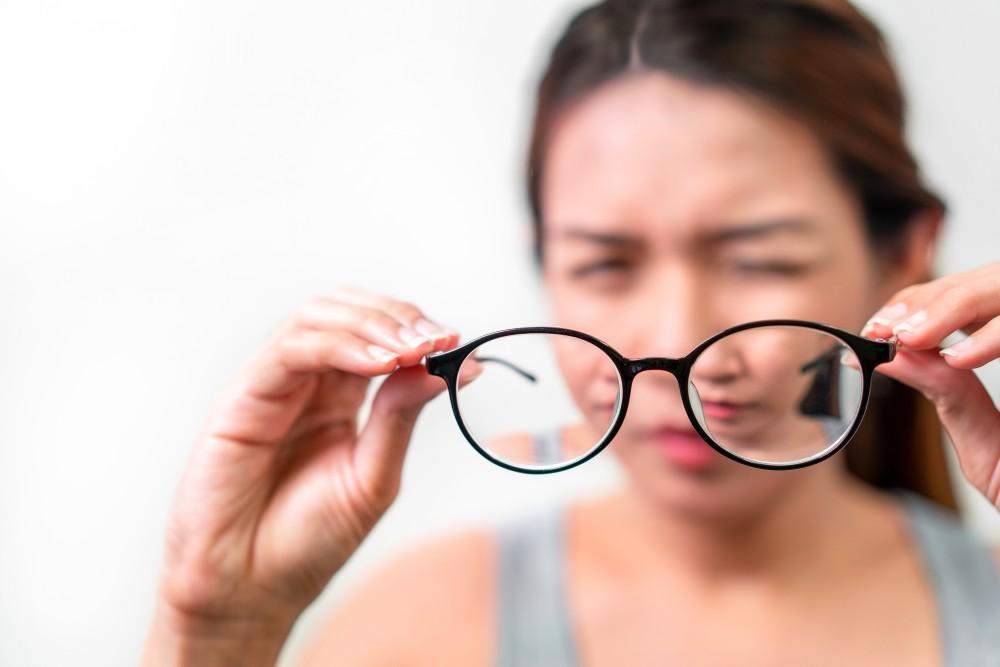
As a parent, you might notice your child squinting at the board or needing stronger glasses every year. At E. Joseph Nadji, MD, in Santa Monica, California, Dr. Nadji and our team help families manage these changes.
Some vision change is a normal part of childhood development. However, rapidly worsening nearsightedness, or myopia, may require active medical care. The first step is scheduling a comprehensive dilated eye exam to evaluate your child's eye structure.
Myopia control refers to medical treatments designed to slow down the physical lengthening of a child's eyeball. If the eye grows longer than normal, the resulting stretch on the retina can raise the risk of developing eye diseases later in life.
The American Academy of Ophthalmology states that active medical intervention is now the standard of care to slow this physical lengthening. Regular glasses sharpen your vision but don’t slow or control the eye’s growth.
According to the American Optometric Association, childhood myopia typically progresses by 0.3 to 0.5 diopters per year. Our team monitors these changes closely to protect your child's long-term vision
The main treatment options for pediatric myopia control include specialized glasses, overnight contact lenses, and daily eye drops. We customize our approach based on your child's age, maturity, and lifestyle.
These nightly eye drops slow eye growth. The AAO notes that while drops are easy to use, they do not correct daytime vision, so children still wear standard glasses.
These special contact lenses, worn only during sleep, temporarily reshape the cornea. In a systematic review of 2,058 children in Medicine, overnight lenses significantly reduced physical eye lengthening over two years.
These specialized glasses feature a clear center with surrounding rings of mild blur.
At our Santa Monica, California office, we guide you through these choices to find the safest fit for your family.
You can support your child's eye health by balancing close-up screen time with daily outdoor activities. Simple lifestyle habits provide an excellent baseline for healthy eyes.
The AAO recommends practicing the 20/20/20 rule by taking a break every 20 minutes to look 20 feet away for 20 seconds. Encouraging outdoor play also helps delay the onset of nearsightedness.
While these habits are beneficial, they can’t stop rapid eye growth once it begins. Our ophthalmologists work with you to combine healthy habits with advanced medical treatments.
Protecting your child's vision starts with an accurate assessment of their eye development. Our experienced team is here to help you navigate every stage of their eye care.
To discuss myopia control options for your child, schedule a visit with our specialists today.


